


Coffee can do more than energise your morning - it can transform lives. From funding education to supporting recovery, coffee donation initiatives are creating meaningful change. Here’s how:
- Urban Ventures (Minneapolis): Profits from City Kid Java fund youth programmes, mentoring, and business training for students.
- Seven Weeks Coffee (US): 10% of sales support pregnancy resource centres, saving an estimated 17,000 unborn lives by 2026.
- Life Over Coffee Ministry: Coffee sales fund global biblical counselling and training in under-resourced areas.
- Dragonolia Coffee: Provides jobs and structure for individuals recovering from addiction or incarceration.
- Creation Coffee (UK): Donates 10% of profits to Compassion UK, aiding children in coffee-growing regions like Colombia and Ethiopia.
Each initiative shows how a simple cup of coffee can support communities, empower individuals, and drive positive change. Next time you buy coffee, consider brands that give back.
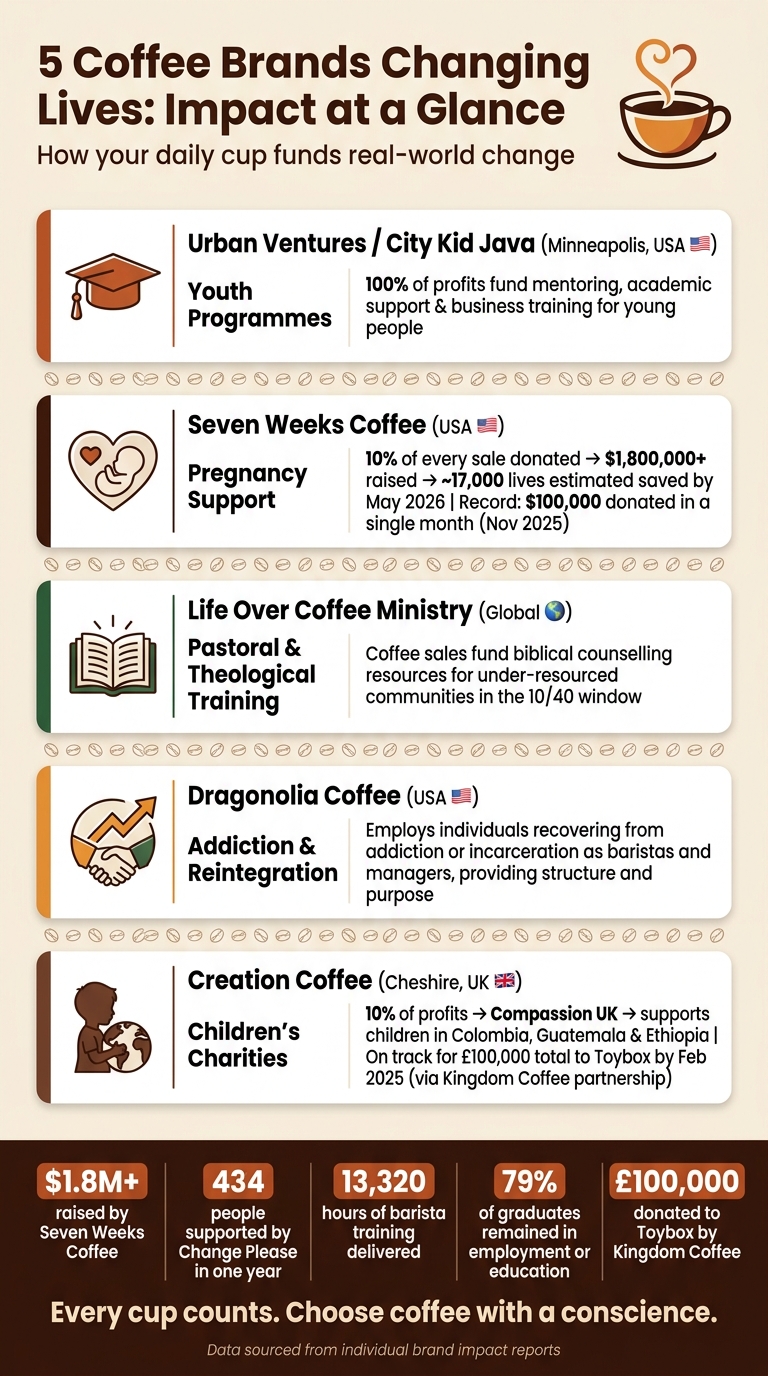
5 Coffee Brands Changing Lives: Impact at a Glance
How Coffee Donations Change Lives
There are several ways coffee donation models operate, including profit-sharing, social enterprises, and faith-based approaches. Some coffee roasters allocate a portion of their profits or set an annual donation amount. Others are designed as social enterprises, where their entire business revolves around funding community projects. Faith-based roasters often view giving as a moral responsibility rather than a marketing tool. These approaches are brought to life through real-world examples.
Take Kingdom Coffee, a UK-based ethical roaster. They donate £10,000 annually to Toybox, and by February 2025, this will total £100,000. The money directly supports outreach programmes for vulnerable street children in Guatemala City. Darren Rayner, from Kingdom Coffee, highlights the collective effort behind this:
"If we weren't in business, we couldn't do this. So it's actually all the people who are supporting us. It's them who have done this, not us. When people are buying from Kingdom Coffee, they're supporting Toybox."
The impact of these initiatives is far-reaching. Social enterprises like Change Please use coffee sales to fund vital services such as barista training, housing, and mental health support for individuals experiencing homelessness. In just one year, from June 2021 to June 2022, they supported 434 people, delivered 13,320 hours of training, and saw 79% of their graduates remain in employment or education. On the other hand, agricultural projects backed by UK roasters like Indigo Valley have made a difference in countries like Togo. Their efforts include building training centres, installing water boreholes, and teaching sustainable farming practices to thousands of participants.
Whether through fixed pledges, profit-sharing, or social enterprise structures, these models provide charities and communities with the stability they need to plan ahead, grow, and work towards self-reliance.
sbb-itb-cca2aed
1. Urban Ventures and City Kid Java in Minneapolis
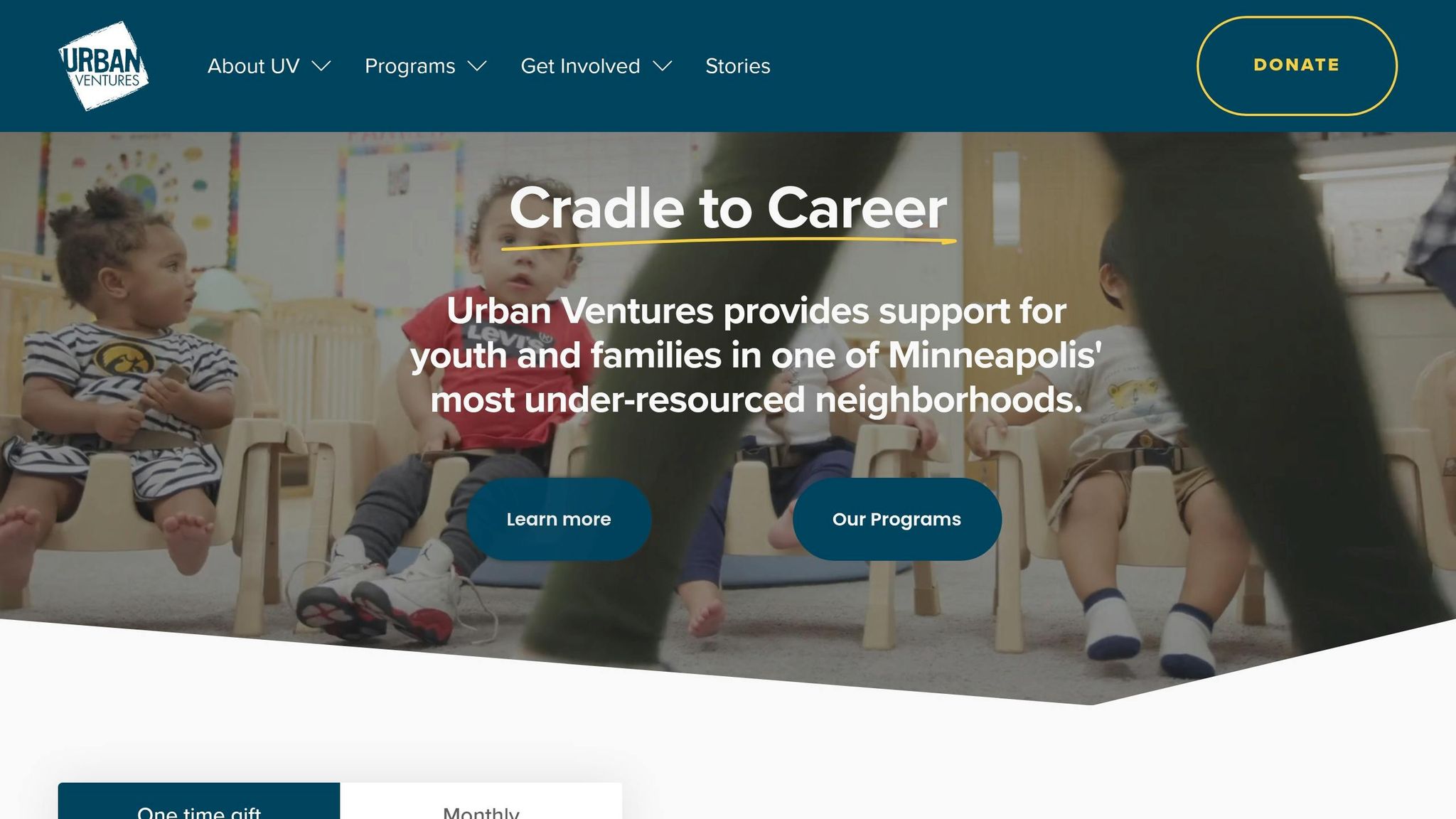
In Minneapolis, one coffee initiative stands out for its commitment to turning every sale into meaningful community support. Urban Ventures, a community organisation based in South Minneapolis, works to help underserved children and families break the cycle of urban poverty. To fund its programmes sustainably, they launched their own coffee enterprise: City Kid Java.
What makes this effort so impactful is its straightforward approach. Every penny of profit from City Kid Java supports Urban Ventures' programmes. These programmes include mentoring, academic support, and life skills training aimed at empowering local youth.
But it doesn’t stop at funding. The initiative also creates invaluable learning experiences for students. High school and college participants get a chance to dive into the world of business, gaining first-hand experience in everything from sales to day-to-day operations. As Urban Ventures puts it:
"All of the proceeds go to fund our programs. Not only that, but Urban Ventures Coffee also provides opportunities for college and high school students to get hands-on experience running a small business." - Media @ UV, Urban Ventures
The community impact is amplified by the support of over 100 local organisations that now source their office coffee from City Kid Java. One partner reflected on how this model has shifted their perspective:
"Our company used to think of 'community give-back' as warm fuzzies and a tax write-off. With Urban Ventures, our staff sees the enormous impact they are making in the community." - Urban Ventures Partner
This initiative shows how something as simple as coffee can drive real change - funding vital programmes and equipping young people with practical skills that can shape their future.
2. Seven Weeks Coffee and Support for Pregnancy Resource Centres
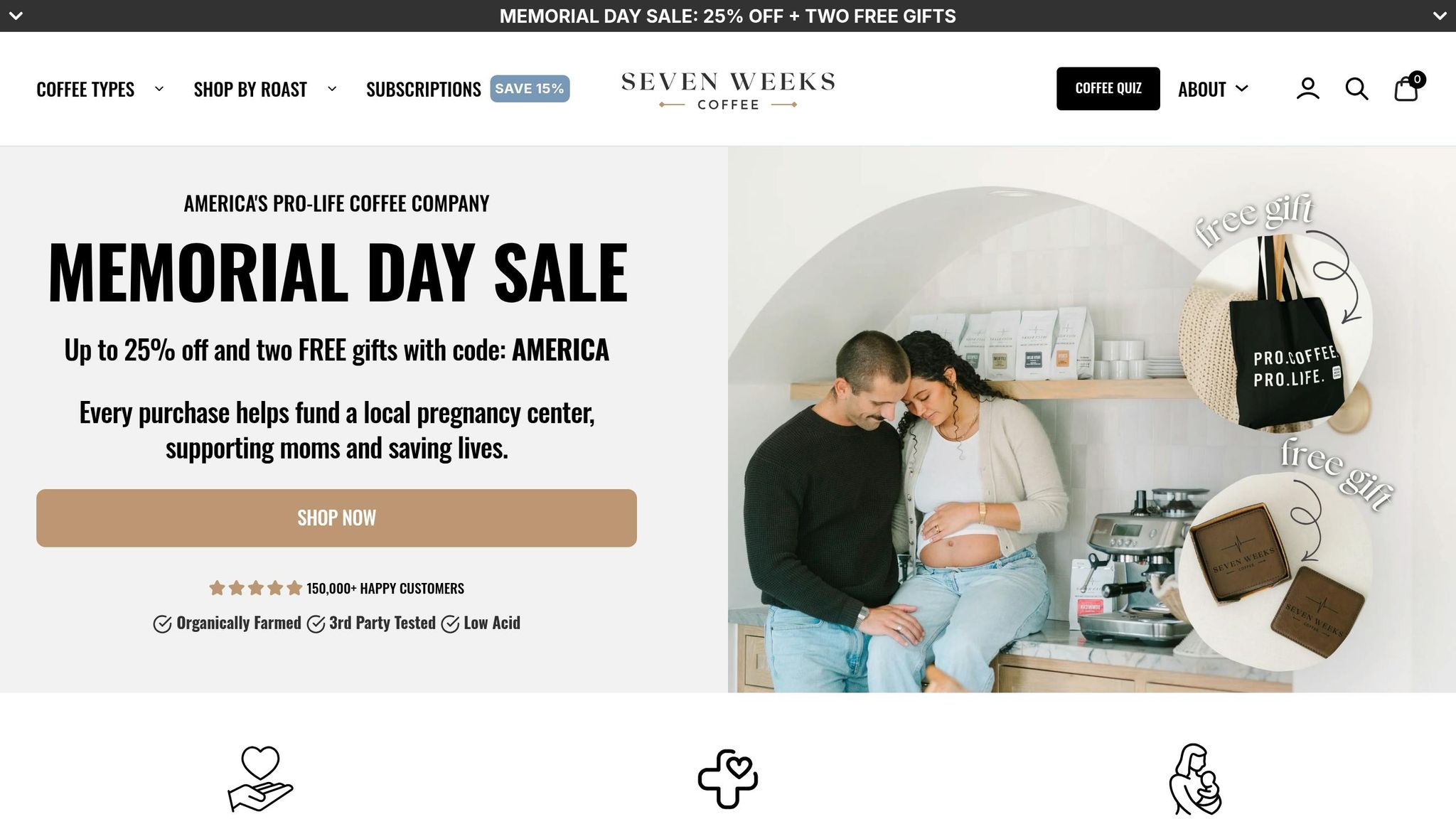
Seven Weeks Coffee, founded by Anton Krecic, operates with a clear Christian purpose: 'to promote godly values, provide excellent coffee, and protect every beating heart'. The name reflects a poignant comparison - the size of a coffee bean mirrors that of an unborn baby at seven weeks.
The company dedicates 10% of every sale to supporting over 1,500 pregnancy resource centres and pro-life organisations throughout the United States. These funds are used for vital services, including free pregnancy tests, limited ultrasound scans, counselling, essential supplies, and long-term support programmes.
By May 2026, Seven Weeks Coffee had contributed more than $1,800,000, which is estimated to have saved around 17,000 unborn lives. In November 2025 alone, donations hit a record-breaking $100,000 in a single month. One partner centre highlighted the impact of these contributions, sharing that a single grant covered all of a family’s resource needs for an entire year.
"The donation we received from our partnership month will allow us to cover the needs of a parent/family who comes to Alpha for a full year!" - Alpha Women's Centre
Krecic emphasises the importance of these efforts: "Pregnancy care centres are the hands and feet of the pro-life movement. They are at the frontlines - helping women in need and defending life. It takes practical resources to meet families at their point of need, and we are privileged to help in a tangible way." This approach ensures that every cup of coffee sold supports a much greater cause.
3. Life Over Coffee Ministry and Global Training
Life Over Coffee (formerly Rick Thomas Ministries) takes a unique approach to creating meaningful change. Instead of focusing on a single cause, this non-profit organisation uses the proceeds from specialty coffee sales to support biblical counselling and theological training worldwide.
The ministry offers a variety of resources, including podcasts, articles, and video-based training modules, all aimed at providing practical biblical advice for everyday challenges. From marital conflicts to struggles with depression, these resources tackle real-life issues through a biblical perspective. This combination of guidance and accessibility helps reach individuals and communities that might otherwise lack such support.
What makes this initiative particularly impactful is its focus on regions where formal theological training is often inaccessible. By funding these programmes through coffee sales, the ministry ensures that under-resourced areas receive the tools they need for growth and transformation, building on the community-level changes highlighted in earlier examples.
The connection between coffee-growing regions and areas in need of theological support is striking. Cody Lorance, co-owner of Endiro Coffee, explains:
"The Coffee Bean Belt, where most of the world's coffee is grown, has massive overlap with the 10/40 window, where most of the world's unreached peoples live."
Each bag of coffee sold directly contributes to creating training materials for these communities, blending the act of buying coffee with a greater purpose. This seamless integration of product and mission is driving meaningful global impact.
4. Dragonolia Coffee and Addiction Recovery
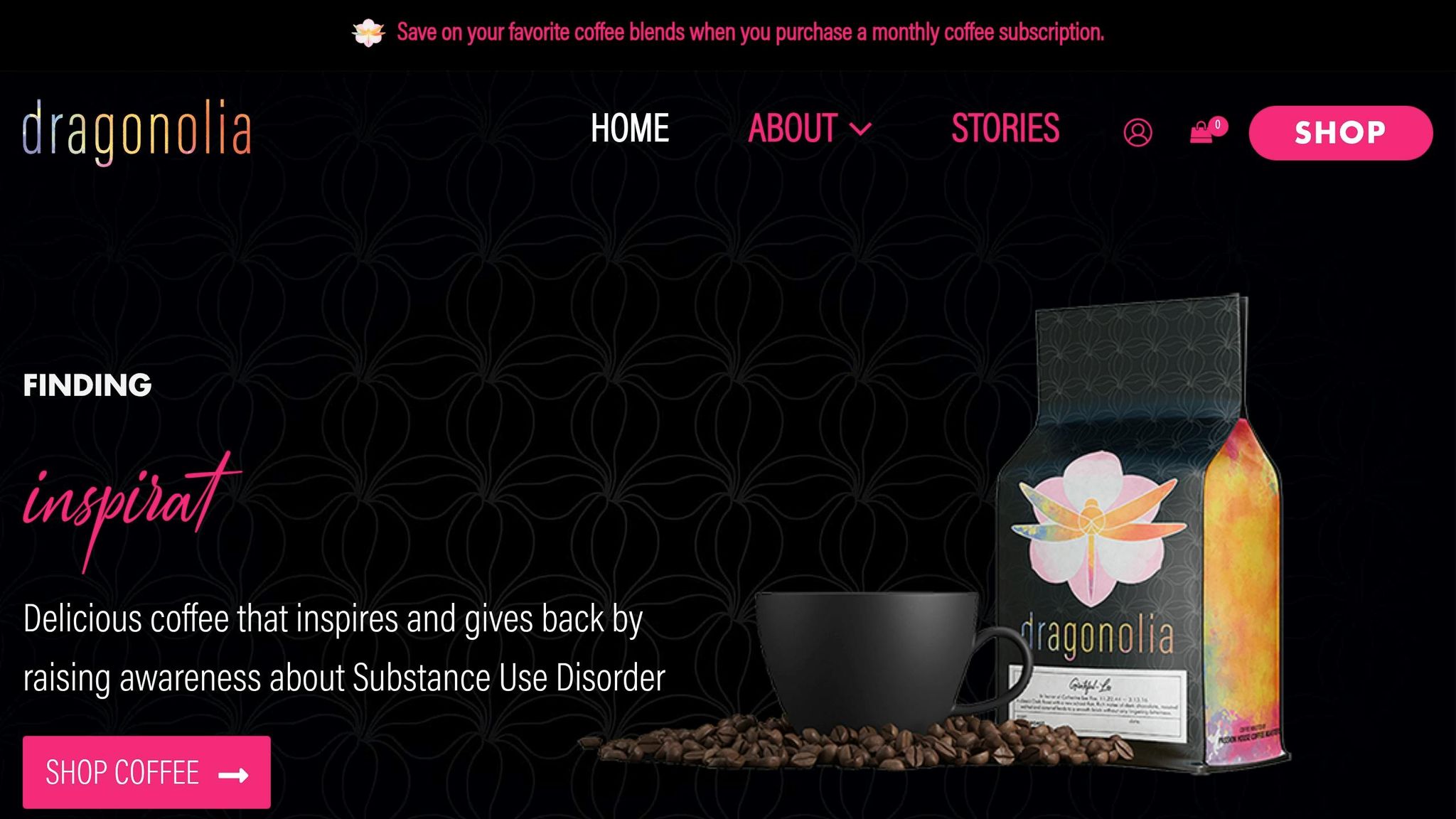
Dragonolia Coffee takes the idea of coffee as a force for change to another level by focusing on employment as a pathway to recovery. The company provides steady jobs to individuals who are rebuilding their lives after addiction or incarceration. These roles, ranging from baristas to management positions in the food and beverage industry, offer more than just a paycheque - they provide structure and purpose.
But Dragonolia Coffee doesn’t stop at offering jobs. It encourages employees to develop routines that replace destructive habits with constructive ones, significantly lowering the chances of relapse.
The approach acknowledges that recovery isn’t just about stopping harmful behaviours - it’s about finding meaningful work, building a sense of community, and creating a new way of life. By focusing on these elements, Dragonolia Coffee presents a refreshing and practical alternative to traditional recovery methods, showing yet another way a simple cup of coffee can change lives.
5. Coffee-Fuelled Generosity and Simple Acts of Kindness
Sometimes, the biggest differences come from the smallest gestures. Coffee, a daily ritual for millions, has quietly become a way to drive meaningful change through small-scale initiatives. These efforts, often tied to everyday purchases, prove that even minor contributions can add up over time, complementing the larger donation models we've already explored.
Take small-scale roasters, for instance. Many adopt profit-sharing models, dedicating a portion of their earnings to causes like providing hot meals for rough sleepers or equipping children with school supplies. Community Interest Companies (CICs) take this a step further, reinvesting up to 65% of their profits into local programmes that uplift communities.
What makes this approach so effective is its consistency. Unlike one-off fundraising events, the steady trickle of donations from coffee purchases creates a reliable funding stream. It's a simple yet powerful way to ensure ongoing support for those in need.
One standout example is Creation Coffee, which donates 10% of its profits to Compassion UK. This funding directly supports children in coffee-growing regions such as Colombia, Guatemala, and Ethiopia. Their mission is beautifully summed up in their words:
"Every bag you buy is a small act of solidarity - with the farmer who grew the beans, and with the children in their communities." - Creation Coffee
These small yet consistent acts of kindness remind us that even something as simple as your morning coffee can make a difference. Each cup becomes a step towards creating lasting benefits for communities around the world.
What These Stories Teach Ethically Minded Coffee Drinkers
Across all five stories, one thing stands out: the most meaningful coffee initiatives use profit as a tool for giving. Whether it's allocating 10% of profits to support children in coffee-growing regions or committing 100% of earnings to anti-slavery efforts, these businesses weave generosity into their very foundation.
Another key takeaway is their emphasis on holistic care. These initiatives don't just write cheques and move on. Instead, they tackle deep-rooted issues like domestic violence, addiction, lack of education, and financial barriers. Take Meridah Nandudu of Bayaaya Specialty Coffee as an example. She reimagined the payment system entirely, adding an extra 200 Ugandan shillings per kilogram to ensure women received payments directly. This kind of structural change turns fleeting gestures into long-term impact.
Faith also plays a vital role in some of these efforts. For instance, Jon Cook of Creation Coffee draws on his Christian beliefs to guide not only the company's giving but also its sourcing practices, communication, and treatment of everyone in the supply chain:
"The belief that business can be a force for good, that every transaction can carry meaning, and that a cup of coffee can connect people across the world sits at the heart of everything we do." - Jon Cook, Founder, Creation Coffee
This blend of personal conviction and accountability sets a high standard for ethical consumerism.
When choosing where to spend your money, look for brands that prioritise specificity. A company that states, "10% of profits go to Compassion UK", is far more transparent than one making vague claims like "proceeds support good causes." Seek out brands that practise direct trade sourcing to ensure fairness at the farm level, and look for those that provide detailed impact reports. These principles mirror the approaches seen in the inspiring stories shared here, showing how your coffee purchases can create real change.
Ultimately, the message is simple: coffee made with purpose offers more than just a good cup. It brings dignity, opportunity, and hope to farmers, families, and communities that might otherwise be left behind.
How Creation Coffee Puts Coffee-Driven Change Into Practice
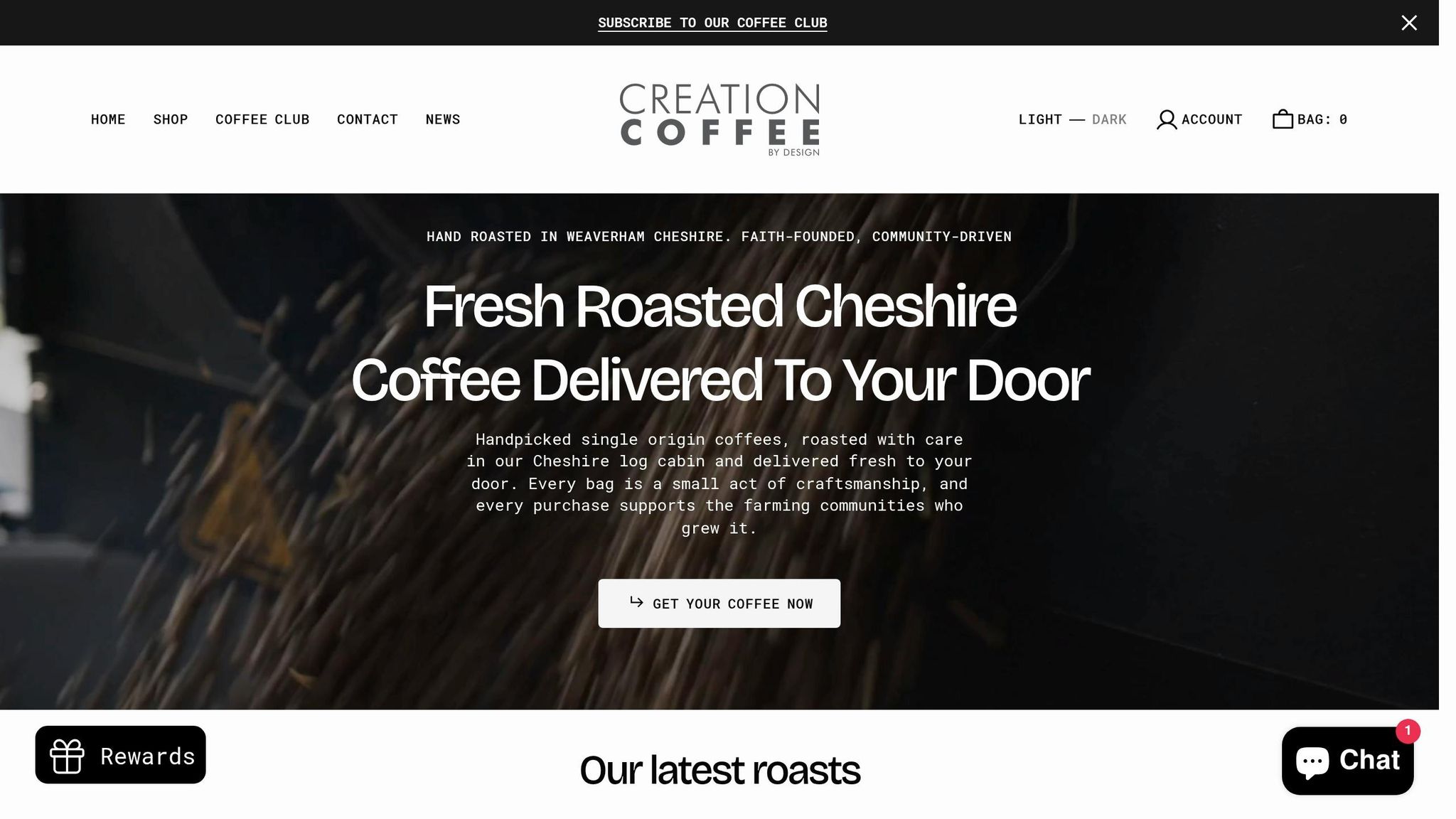
Creation Coffee was established by Jon Cook in Cheshire with a clear purpose: to ensure every bag of coffee sold has a meaningful impact beyond just delivering great flavour. By hand-roasting small-batch specialty coffees in Weaverham and sourcing beans through direct trade, the company guarantees farmers receive fair and stable prices, no matter how the market shifts. This approach blends quality with a commitment to ethical business practices.
A standout feature of Creation Coffee is its giving model: 10% of all profits are donated to Compassion UK, a children's charity with over 68 years of experience in coffee-growing regions like Colombia, Guatemala, and Ethiopia. This isn’t just a generic claim about supporting good causes - it’s a deliberate and transparent effort to uplift children in the very communities that produce the coffee. Farmers are treated fairly through direct trade, children in these regions gain vital support, and customers are given clear insight into how their purchases make a difference.
Every purchase strengthens the bond between growers, their communities, and the customer.
The table below highlights how Creation Coffee’s impact aligns with other initiatives:
| Organisation | Primary Impact Area | Specific Focus |
|---|---|---|
| Urban Ventures / City Kid Java | Youth Programmes | Mentorship and post-school support in Minneapolis |
| Seven Weeks Coffee | Pregnancy Support | Funding for pregnancy resource centres |
| Life Over Coffee Ministry | Pastoral Training | Global biblical counselling and training resources |
| Dragonolia Coffee | Addiction Recovery | Supporting individuals through rehabilitation |
| Coffee-Fuelled Generosity | Community Generosity | Local acts of kindness and individual support |
| Creation Coffee | Children's Charities | Child development via Compassion UK in coffee-growing regions |
What sets Creation Coffee apart is its commitment to creating a direct link between where the coffee is sourced and where the support is given. The coffee-growing communities themselves benefit from the donations, reflecting the company’s faith-driven philosophy. This principle is perfectly captured in their tagline: "Coffee with a Conscience and a Calling."
Conclusion
These five stories highlight how something as simple as a cup of coffee can create opportunities for mentorship, support families, train future leaders, assist in recovery efforts, and encourage acts of kindness. The ripple effects are both visible and meaningful.
Choosing coffee with an ethical focus is a small shift that can make a big difference for farmers, their families, and entire communities.
Take, for example, the approach of Creation Coffee. They dedicate 10% of all profits to Compassion UK, an organisation that helps vulnerable children in coffee-growing regions like Colombia, Guatemala, and Ethiopia. Every purchase contributes to this mission, making it easy to turn a daily habit into a meaningful act.
These stories show that ethical coffee isn't just a concept - it's already making a difference. The only question is: will your next cup be part of that change?
FAQs
How can I check if a coffee brand’s donation claims are genuine?
To determine if a coffee brand's donation claims are legitimate, pay attention to how transparent they are about their practices. Look for specifics on ethical sourcing, certifications like Fair Trade, and clear breakdowns of how donations are used. For instance, some brands explicitly state that they donate a portion of their profits to named charities, which helps build trust and shows they are holding themselves accountable.
What’s the difference between profit-sharing and social enterprise coffee models?
Profit-sharing models aim to give farmers a more equitable share of earnings by distributing a portion of profits directly to them. This often comes in the form of bonuses or additional payments, providing not only fairer compensation but also a sense of financial stability.
On the other hand, social enterprise models, such as Creation Coffee, integrate ethical objectives into their core business practices. These companies prioritise direct trade, fair wages, and community support, ensuring their operations benefit all stakeholders involved. Some even go a step further by directing part of their profits towards charitable initiatives, blending responsible sourcing with a focus on creating positive, long-term impacts that extend beyond just financial gain.
Does buying purpose-led coffee actually create long-term change?
Absolutely. Choosing purpose-led coffee can create lasting positive effects. Initiatives such as direct trade and social enterprises play a key role in empowering farmers, ensuring fair wages, and funding vital community projects.
Take coffee donations as an example. These efforts have enabled individuals to achieve financial independence, overcome difficult circumstances, and rebuild their lives with dignity. Companies like Creation Coffee also make a difference by donating 10% of their profits to children's charities. This not only supports young lives but also promotes growth and development in coffee-growing regions and beyond.